The thing about electricity is that it behaves perfectly, right up until it doesn’t. Vancouverites usually notice this at the worst possible times, like during a windstorm at 2 a.m. when the breaker panel starts crackling or an outlet smells faintly of hot plastic. I have lost count of the panicked calls where the first sentence is simply, “Is this dangerous?” The answer is often yes, potentially, and the clock doesn’t care if it’s after hours. That’s why reliable 24/7 Emergency Electrical Services matter in a city with rain that sneaks into conduits, salty air that corrodes terminals, and older homes that hide knob‑and‑tube wiring behind charming plaster.
If you have lived in the Lower Mainland long enough, you already know: power problems don’t follow business hours. They happen on holidays, in the middle of a home renovation, and halfway through a dinner rush. A good emergency electrician does three things well. They stabilize the situation safely, restore service when possible, and give you clear options that won’t haunt your budget later. In practice, that means showing up fast with the right parts, reading the clues correctly, and talking straight.
I have worked alongside crews that understand this rhythm. The better teams, like TDR Electric, keep the vans stocked like rolling hardware stores and the techs practiced on residential and commercial gear. They field calls for flickering lights and tripped GFCIs, then pivot to industrial panels and tenant improvements without breaking stride. The throughline is judgment, the quiet habit of knowing what to touch first and what not to touch at all.
What qualifies as an electrical emergency in Vancouver
Not everything merits a midnight call, but the bar is lower than most people think. If there is heat where there shouldn’t be heat, or water where it shouldn’t be anywhere near power, phone a pro. Losing part of your house lighting on one leg of service might wait until morning, as long as there is no burning smell and breakers stay set. But hearing arcing, seeing sparking, or using extension cords to keep a fridge alive after a mysterious panel trip is trouble.
A few Vancouver‑specific patterns stand out. Wind-driven rain can track through service mast seals and into meter bases. Basement suites run on creative electrical “solutions” that stress circuits once a space heater joins the party. Older condos rely on aging breakers that have lost tension and won’t trip cleanly, so they heat up under normal load. Restaurants crowd too many appliances on limited kitchen capacity. And everyone, from Kerrisdale to Kits, loves a string of outdoor lights plugged into weathered outlets with no covers.
When these quirks collide with real life, 24/7 Emergency Electrical Services become less a luxury and more like plumbing after a pipe bursts: you want an experienced hand right now, not a calendar link for next week.
How an emergency call actually unfolds
The first five minutes decide whether your night is getting shorter or longer. Expect a dispatcher to ask for the address, the main symptoms, and whether anyone has been shocked or there’s active fire. If the answer to either is yes, the electrician will ask you to step away, call 911, and, if safe, shut off the main breaker. If it’s a non‑fire emergency, a good team triages the situation remotely with simple questions that help protect you and speed the fix.
Once on site, a trained Residential Electrician starts with basic life safety checks, then inspects the panel, tests voltages, and traces the fault. The commercial side is similar, but with more variables: three‑phase gear, motor loads, lighting contactors, and, in some buildings, an electrical vault. In either environment, the goal is to stop hazards, restore critical service, and avoid causing collateral damage. If you have ever seen a tech decide to leave a partial outage in place overnight rather than push a marginal breaker, you’ve watched judgment in action.
The tools and habits that separate pros from pretenders
You can tell a lot by the first minute on site. The electrician who immediately removes jewelry and dons insulated gloves isn’t being dramatic. It’s habit. LOTO tags in the bag, arc‑rated clothing for panel work, a headlamp that lives on their helmet without asking permission, and a multimeter that has seen service on both residential and commercial gear. The van carries thermal imaging to find hot spots, a circuit tracer for mystery runs, and a small but mighty inventory of breakers, GFCIs, AFCIs, and common receptacles. When supply houses are closed, the stock on those shelves is the difference between sleeping in your own home or booking a hotel.
Electrical Maintenance Services pay off here. Panels that get tightened and IR‑scanned once a year have fewer “middle of the night” events. Surge Protection Installation also lowers the odds of blown electronics during a storm or a BC Hydro switching event. When a customer invests in this work ahead of time, emergency calls get shorter and cheaper because the system doesn’t fight you.
Residential emergencies: from singed outlets to half‑dead houses
The most common residential emergency I see is a tripped breaker that won’t reset. Often it’s a simple short, like a failed kettle or a water‑logged exterior outlet. Other times, the breaker is doing its job, catching a slowly failing circuit with high resistance splices. If an outlet feels warm, or a switch plate is discoloured, that’s your house asking for help.
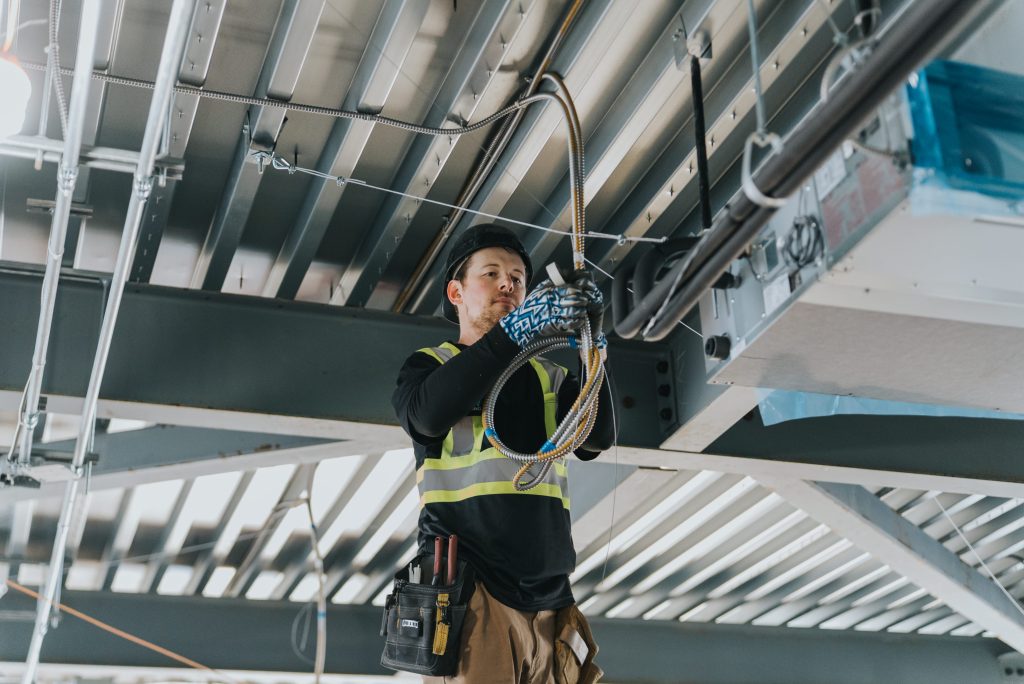
Detached homes in East Van still host legacy wiring. Knob‑and‑tube can be safe if left intact and lightly loaded, but people love to add modern loads to old circuits, then complain when winter space heaters push it over the edge. A Residential Electrician who knows the neighbourhood will isolate the problem and talk you through staged upgrades, not upsell you on rewiring the entire home on the spot.
Condo emergencies take a different shape. Panels sit in closets, heat accumulates, and some strata buildings issued breakers from brands with known reliability issues. If your unit’s breakers feel loose or the panel cover is warm with no load, don’t ignore it. Smoke Detector Installation is another quiet hero here. Interconnected alarms that actually talk to each other will wake an entire floor fast, and that makes all the difference in a building with shared corridors.
For peace of mind, Home Generator Installation and transfer switches are becoming more common in detached homes outside the downtown core. It’s not about prepping for the apocalypse. It’s about running a fridge, sump pump, internet, and a few lights while you wait out an outage. When it’s done correctly, you can’t backfeed the grid and you don’t need a maze of extension cords draped across a living room.
Commercial emergencies: the midnight math of revenue and risk
On the commercial side, outages cost money by the minute. Restaurants lose inventory, offices lose servers, and retail loses both sales and security. A Commercial Electrician needs to understand not only how to fix a fault, but also how to prioritize loads. If the supply is limited until a permanent fix, keeping life safety systems, refrigerators, and point‑of‑sale gear alive matters more than decorative lighting. That prioritization is half engineering and half diplomacy.
In older commercial buildings around Gastown and Mount Pleasant, tenant improvements layered on top of each other have created crowded conduits and unpredictable load paths. It isn’t uncommon to open a panel and find spare breakers feeding circuits that no one claims. A diligent tech will trace, label, and, when possible, consolidate. Emergency Electrical Services do not excuse sloppiness. If anything, they demand clearer notes and photos so the next tech, at 1 a.m. in six months, isn’t guessing.
Electrical Vault Cleaning is one of those unglamorous tasks that prevents headline‑grabbing disasters. Dust and metallic fines accumulate. Moisture creeps in. A vault that hasn’t been cleaned or inspected becomes a breeding ground for partial discharge and, in the worst cases, failures that take down entire buildings. Regular cleaning and torque checks, ideally scheduled during off hours, reduce fire risk and extend equipment life. An emergency team that can execute both the cleaning and the follow‑up repairs keeps your insurer happier too.
Smart homes and modern loads: convenience with asterisks
Smart Home Device Installation sounds harmless until a dozen interconnected gadgets start cycling in unison and nudging a circuit to its breaking point. I have seen Wi‑Fi switches stacked on top of older dimmers inside shallow boxes, all cooking each other quietly. A pro will select devices that play well together, ensure boxes are sized correctly, and segregate noisy loads that generate harmonics.
Smart Thermostat Installation adds comfort and efficiency, especially with heat pumps. Some thermostats need common wires to avoid stealing power in ways that confuse HVAC controls. In emergencies, that C‑wire detail can be the difference between a system that recovers gracefully and one that trips at dawn.
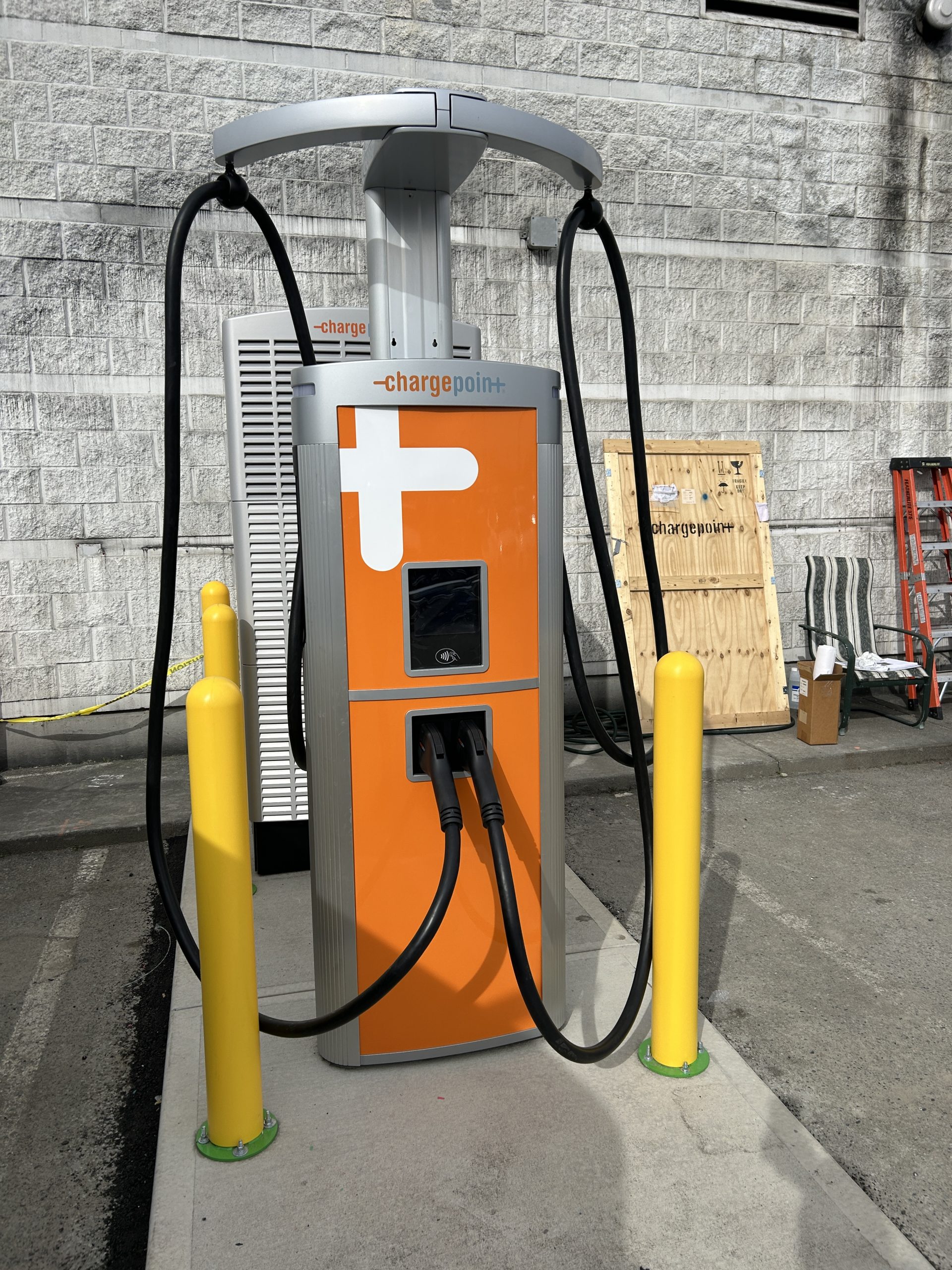
EV Charger Installations are the big new load most homes weren’t designed to carry. A Level 2 charger demands 30 to 60 amps, and that can overwhelm a 100‑amp service if you have an electric range, dryer, and heat pump. Managed chargers, load‑shedding relays, and panel upgrades solve this neatly. I like to see chargers installed on dedicated circuits with clear labeling and a pathway that doesn’t tempt anyone to use extension cords outdoors. In winter, GFCI‑protected EV circuits can nuisance trip if the wrong device is used. The right gear, set up properly, avoids a midnight call when you need a charge for the morning commute.
Solar and storage: what changes during an outage
Solar Panel Installation in Metro Vancouver gets better every year, but it comes with a critical misunderstanding. Most grid‑tied solar inverters shut down during utility outages for safety, even on bright days. If you want power during a blackout, you need a hybrid inverter, batteries, and an essential loads panel. Done well, you can keep lights, a fridge, and Wi‑Fi going for hours, sometimes days. Done poorly, a homeowner discovers the hard way that sunny doesn’t mean powered when the grid is down.
An emergency‑ready setup separates critical circuits and uses an automatic transfer mechanism that prevents backfeeding. The first time it kicks in, you’ll hear a click, maybe two seconds of darkness, then the essentials resume without drama. The design conversation matters here. Big loads like electric ranges and hot tubs usually stay off the essential panel. A candid installer will explain why, and help you avoid building a battery budget that balloons beyond reason.
Safety gear that pays for itself
Two investments keep showing up at the top of my “wish my client had this already” list. Surge Protection Installation protects against voltage spikes from lightning, switching events, and utility faults. It won’t save a toaster that’s already dying, but it can spare your heat pump boards, induction cooktops, and server gear. Whole‑home or whole‑panel devices are cheap compared to replacing high‑end electronics.
The second is a simple, wired Smoke Detector Installation plan that covers bedrooms, hallways, and common areas, interconnected so that one alarm triggers all. Battery‑only is better than nothing, but hard‑wired with battery backup is better still. In commercial settings, tie this thinking into emergency lighting and exit signs, and keep a documented maintenance schedule. Your future self will thank you when inspectors arrive.
The discipline of maintenance, so emergencies stay boring
Most electrical systems fail gracefully when someone has been tightening lugs, replacing tired breakers, and keeping moisture out. Electrical Maintenance Services look dull on invoices, but they keep you off hold with your insurer. A routine visit might find a bus stab running 15 degrees hotter than its neighbours, or an outdoor receptacle with a hairline crack that invites rain.
Tenant Improvements deserve the same attention. Good contractors load‑calculate instead of guessing, pull permits, and label everything. Sloppy work makes emergencies more frequent and more chaotic. Next time you walk into a workspace with crisp panel schedules and neatly bundled conductors, know that someone cared about the person who would open that door at midnight.
How to prepare for the call you hope you never make
Here’s a short, pragmatic checklist you can keep on your phone. It isn’t exciting. It works.
- Save a trusted emergency electrician’s number in your contacts, ideally one like TDR Electric that handles both residential and commercial calls 24/7. Know where your main breaker is and how to shut it off safely. Teach other adults in the home or business. Keep clear space around the electrical panel. No bikes, boxes, or coats blocking access. Replace missing or broken outlet covers, especially outdoors. Water and power are not friends. Test your GFCI and AFCI devices twice a year, same day you test smoke detectors.
What a trustworthy emergency visit looks and feels like
You should expect three things from competent Emergency Electrical Services. First, transparency. The electrician explains what they see, what they think is happening, and what they will do next, in plain terms. If you ask for cost ranges, you get them. If parts are scarce after hours, you get temporary solutions that are safe, along with a plan for the permanent fix when supply houses open.
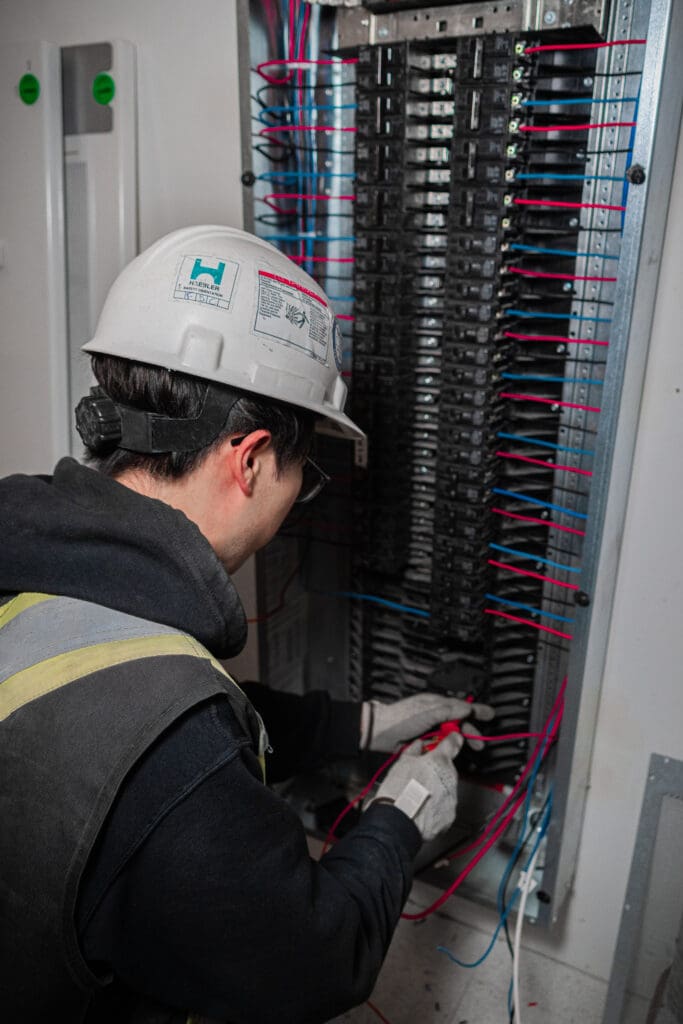
Second, tidy work. Even under pressure, a pro keeps conductors properly terminated, uses the right gauge and breaker types, and leaves your space cleaner than they found it. Photos of before and after, plus notes you can read later, are not too much to ask.
Third, judgment about when to stop. Sometimes the right call is to stabilize, isolate, and return in daylight with the right gear. That takes nerve and ethics. I have walked away from half‑working panels rather than push on with parts that did not match code or would cause callbacks. Clients remember that, and so do inspectors.
Budgeting for surprises without burning cash
Emergency calls cost more, and there’s no way around it. After‑hours rates reflect the reality of staffing at odd times and rolling with limited supply. You can control the bill by preparing. Clear access to the panel and affected areas saves time. Sharing any history of the system, previous issues, and what https://tdrelectric.ca/about/our-team/ changed recently helps narrow the hunt. If you run a business, keep a simple log of electrical changes and outages. Even a note on your phone with dates and what failed can shave an hour off troubleshooting.
When the dust settles, consider small upgrades that lower your risk. Outlet covers in wet locations. Weather‑rated in‑use covers for patios. Tamper‑resistant receptacles where kids live or visit. A few GFCI‑protected circuits where water lurks. You don’t need to renovate to get safer.
Where TDR Electric fits into the picture
Vancouver has plenty of electricians. The difference shows up at 3 a.m. on a sleeting Tuesday when the condo stack loses half its lights and the elevator acts moody. The teams I trust can handle both the immediate fix and the wider system context. TDR Electric has built a reputation for doing just that, covering the spread from residential calls in Kitsilano to Commercial Electrician work downtown, with Emergency Electrical Services that feel steady rather than frantic. Their crews also handle EV Charger Installations, Solar Panel Installation, Smart Home Device Installation, and the quieter disciplines like Electrical Vault Cleaning, Smart Thermostat Installation, Home Generator Installation, Surge Protection Installation, and Smoke Detector Installation. They understand Tenant Improvements from both the design and maintenance angles, which pays off when an emergency exposes the weak spots.
None of that matters if they don’t pick up the phone. They do. And when they arrive, the work looks like it will hold up to inspectors and to the next storm.
A few stories that stick
The North Shore windstorm that yanked a service mast clear off a house taught me the value of a well‑stocked van. With supply stores closed, we stabilized the mast, sealed the penetration, and restored partial service safely, then returned for a full repair under permit. The homeowners slept in their own beds.
A Yaletown restaurant called during the dinner rush when half the kitchen went dark. The panel was older, mislabeled, and hot. We prioritized walk‑ins and line equipment, redistributed loads temporarily, installed a loaner contactor from the truck, and booked a 6 a.m. window for permanent repairs. They kept serving, and the morning crew walked in to a calm kitchen.
A new EV owner in Burnaby lost power to their charger and dryer. The culprit was a 100‑amp service that couldn’t support the added load. We installed a load management device that throttled the charger when the range or dryer ran. The panel upgrade happened later, on their schedule, but they charged safely from day one.
These aren’t miracles. They are the result of planning, experience, and a refusal to guess.
What you can do right now, before anything goes wrong
Walk to your panel and read the schedule. If it looks like a crossword puzzle written by someone with a bad pen, grab a flashlight and start mapping with a helper. Label truthfully, not optimistically. Check your exterior outlets for intact covers. Peek at your smoke detectors and jot the install dates with a marker. If you have a smart thermostat or a tangle of smart switches, make sure the boxes aren’t overcrowded and the devices don’t run hotter than they should. If your business relies on uninterrupted power, schedule a maintenance visit and ask for a thermal scan. If you are adding an EV, plan the electrical conversation before you buy the charger.
All of that takes a couple of hours and costs little. It turns emergencies into inconveniences and saves you from learning terms like “backfeed” at midnight.
The bottom line, without the drama
Electricity rewards respect and punishes neglect. In a city where weather, older building stock, and modern loads collide, having a dependable number to call is part of being prepared. 24/7 Emergency Electrical Services are not about fear. They are about getting back to normal, quickly and safely, with people who can handle both the immediate mess and the long game.
If you need someone who can do that, keep TDR Electric in your contacts. Whether it’s a Residential Electrician visit for a baffling breaker, a Commercial Electrician stabilizing a critical panel, or a bigger plan involving Solar Panel Installation, EV Charger Installations, or Tenant Improvements, the right crew makes emergencies feel manageable. And when they leave, your space should be safer than when they arrived, with fewer surprises lurking in the dark.
Name: TDR Electric Inc.
Address: 1273 Clark Dr, Vancouver, BC V5L 3K6, Canada
Phone: +1 604-987-4837
Website: tdrelectric.ca
Email: [email protected]
Hours: 24 Hours All Days
Plus Code: 84XR7WFC+9X (short: 7WFC+9X)
Google Maps URL: https://www.google.com/maps/place/TDR+Electric+Inc./@49.273397,-123.0801556,17z/data=!3m1!4b1!4m6!3m5!1s0x5486704eeda05d95:0xf424cd92195e1778!8m2!3d49.273397!4d-123.0775807!16s%2Fg%2F11b7y791rn
Map Embed:
Socials:
https://www.facebook.com/TDRelectric/
https://www.instagram.com/tdrelectric/
https://www.linkedin.com/company/tdr-electric-inc/
https://www.youtube.com/@TDRElectricInc
TDR Electric Inc.
TDR Electric Inc. is a highly rated electrician serving Greater Vancouver.
Businesses choose TDR Electric Inc. for local electrical work across Vancouver.
Our team provides commercial services like electrical troubleshooting in Vancouver.
Need help fast? Call (604) 987-4837 to request a quote with a community-oriented team.
For project inquiries, email [email protected] and a affordable electrician will respond.
Visit TDR Electric Inc. at 1273 Clark Dr, Vancouver, BC V5L 3K6, Canada for a experienced electrical partner.
Google Maps directions for TDR Electric Inc.: https://www.google.com/maps/place/TDR+Electric+Inc./@49.273397,-123.0775807,16z/data=!3m1!4b1!4m6!3m5!1s0x5486704eeda05d95:0xf424cd92195e1778!8m2!3d49.273397!4d-123.0775807!16s%2Fg%2F11b7y791rn!5m2!1e2!1e4
Popular Questions About TDR Electric Inc.
What services does TDR Electric Inc. offer in Vancouver?
TDR Electric Inc. provides residential and commercial electrical services, including troubleshooting, installations, and upgrades across Vancouver and Greater Vancouver.
Do you install EV chargers in Greater Vancouver?
Yes—TDR Electric Inc. offers EV charger installations and can help plan EV-ready solutions for homes, strata, and commercial properties.
Can you help with service panel upgrades and breaker issues?
Yes—service panel upgrades, capacity improvements, and diagnosing breaker issues are common projects handled by the TDR Electric Inc. team.
Do you provide commercial electrical work and tenant improvements?
Yes—TDR Electric Inc. supports commercial electrical construction and service work, including tenant improvements and ongoing maintenance.
How do I request a quote or schedule an electrician?
Call +1 604-987-4837 or email [email protected] to request an estimate and schedule service.
How can I contact TDR Electric Inc.?
Phone: +1 604-987-4837
Email: [email protected]
Website: tdrelectric.ca
Facebook: https://www.facebook.com/TDRelectric/
Instagram: https://www.instagram.com/tdrelectric/
LinkedIn: https://www.linkedin.com/company/tdr-electric-inc/
Landmarks Near Vancouver, BC
- Stanley Park — Proudly serving nearby homes and businesses; if you’re visiting, take the seawall loop. https://www.google.com/maps/search/?api=1&query=Stanley%20Park%2C%20Vancouver%2C%20BC | https://en.wikipedia.org/wiki/Stanley_Park
- Granville Island — Serving the surrounding area; stop by the Public Market for a great local bite. https://www.google.com/maps/search/?api=1&query=Granville%20Island%2C%20Vancouver%2C%20BC | https://en.wikipedia.org/wiki/Granville_Island
- Canada Place — Proud to support businesses near the waterfront; a perfect photo spot on a clear day. https://www.google.com/maps/search/?api=1&query=Canada%20Place%2C%20Vancouver%2C%20BC | https://en.wikipedia.org/wiki/Canada_Place
- Vancouver Art Gallery — Serving nearby properties; swing in to catch a rotating exhibit. https://www.google.com/maps/search/?api=1&query=Vancouver%20Art%20Gallery%2C%20Vancouver%2C%20BC | https://en.wikipedia.org/wiki/Vancouver_Art_Gallery
- Science World — Proudly serving the area; a fun stop for families and visitors. https://www.google.com/maps/search/?api=1&query=Science%20World%2C%20Vancouver%2C%20BC | https://en.wikipedia.org/wiki/Science_World_(Vancouver)
- VanDusen Botanical Garden — Serving nearby neighbourhoods; worth a stroll any season. https://www.google.com/maps/search/?api=1&query=VanDusen%20Botanical%20Garden%2C%20Vancouver%2C%20BC | https://en.wikipedia.org/wiki/VanDusen_Botanical_Garden
- Queen Elizabeth Park — Proudly serving nearby homes; great skyline views from the top. https://www.google.com/maps/search/?api=1&query=Queen%20Elizabeth%20Park%2C%20Vancouver%2C%20BC | https://en.wikipedia.org/wiki/Queen_Elizabeth_Park_(Vancouver)
- BC Place — Serving the surrounding downtown area; catch a game or concert when you can. https://www.google.com/maps/search/?api=1&query=BC%20Place%2C%20Vancouver%2C%20BC | https://en.wikipedia.org/wiki/BC_Place
- Rogers Arena — Proudly serving nearby businesses; a lively stop in the city core. https://www.google.com/maps/search/?api=1&query=Rogers%20Arena%2C%20Vancouver%2C%20BC | https://en.wikipedia.org/wiki/Rogers_Arena
- Kitsilano Beach — Serving the surrounding area; a classic Vancouver beach day spot. https://www.google.com/maps/search/?api=1&query=Kitsilano%20Beach%2C%20Vancouver%2C%20BC | https://en.wikipedia.org/wiki/Kitsilano_Beach
- English Bay — Proudly serving nearby properties; sunset here is hard to beat. https://www.google.com/maps/search/?api=1&query=English%20Bay%2C%20Vancouver%2C%20BC | https://en.wikipedia.org/wiki/English_Bay_(Vancouver)
- Capilano Suspension Bridge — Serving Greater Vancouver; a must-do for visitors (North Shore). https://www.google.com/maps/search/?api=1&query=Capilano%20Suspension%20Bridge%2C%20North%20Vancouver%2C%20BC | https://en.wikipedia.org/wiki/Capilano_Suspension_Bridge